Longest In-Orbit Burn with Steam-Based Propulsion Set for Artemis II CubeSat

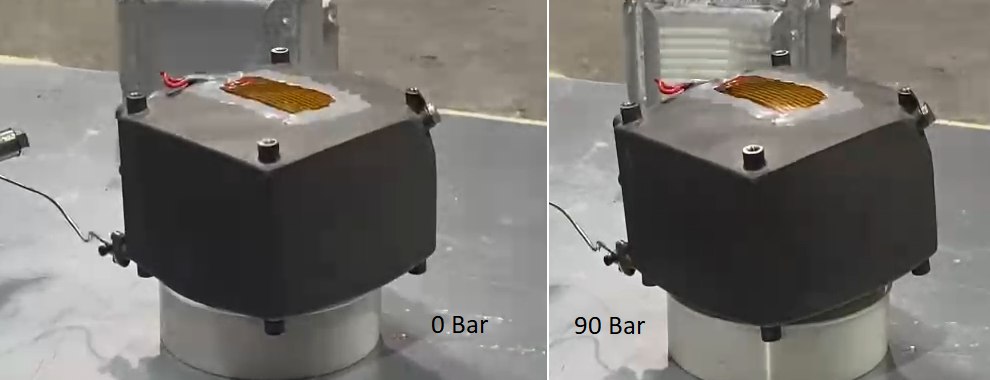
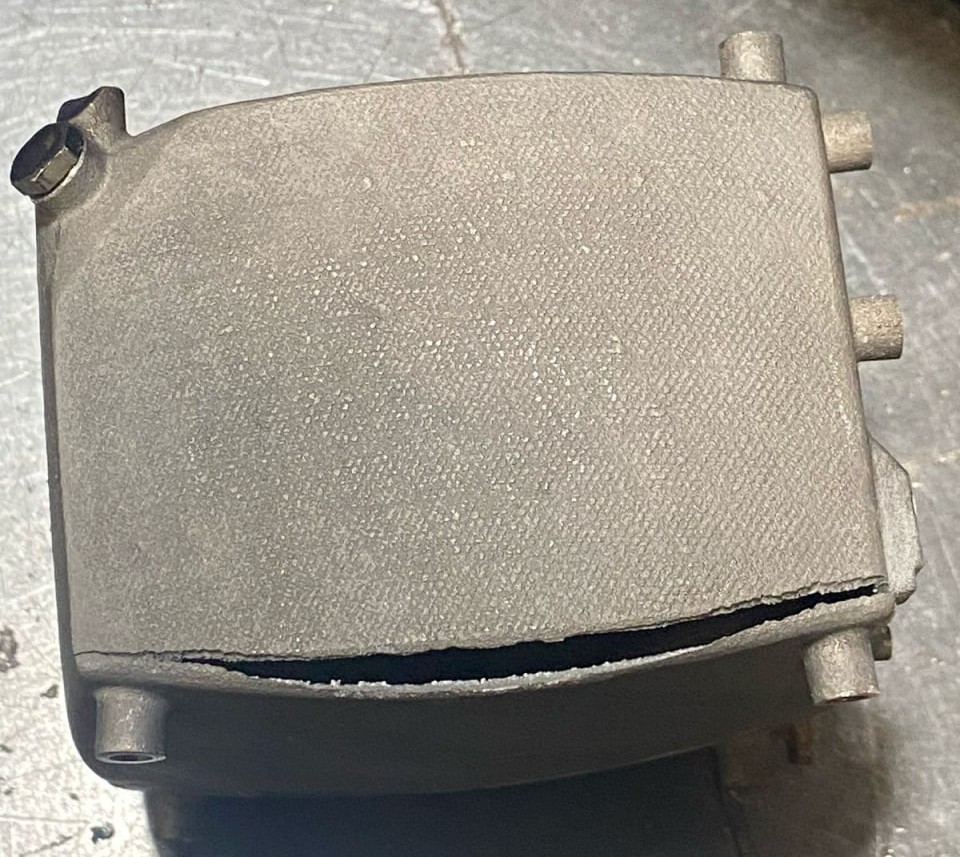
SteamJet space propulsion system

SteamJet Space Systems will demonstrate spacecraft propulsion during the upcoming Artemis II mission with an orbiting correction for South Korea’s K-RadCube satellite to prevent its re-entry into the atmosphere. The manoeuvre uses a straightforward application of water.

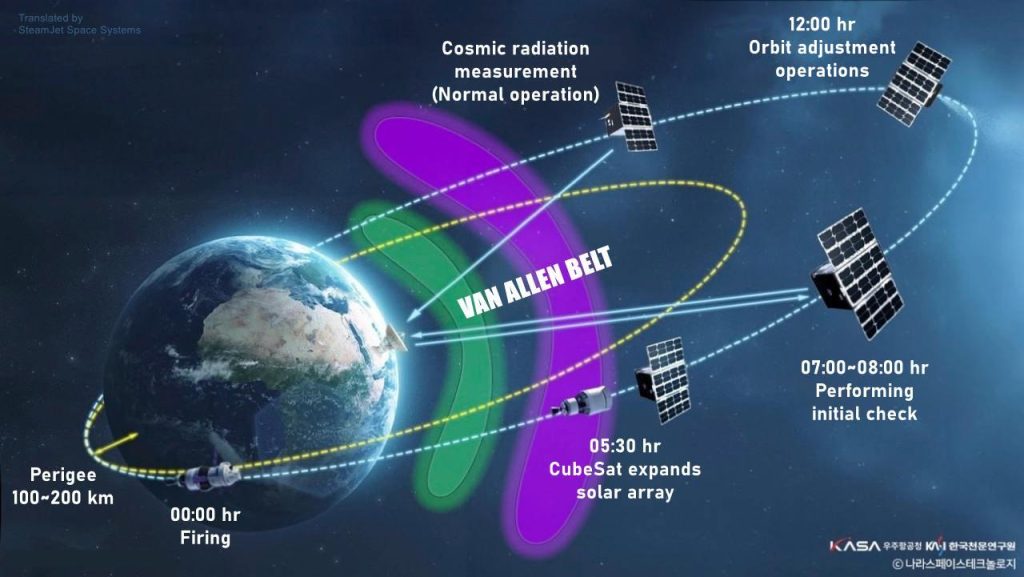
K-Rad Cube satellite, developed by South Korean NaraSpace, will be onboard NASA’s historic Artemis II mission, the first manned lunar mission in over 50 years. The CubeSat will face a challenge after it is deployed into a highly elliptical orbit. Its first perigee is within Earth’s upper atmosphere. Without orbital correction, the satellite will be lost.

That’s where SteamJet’s water thruster steps in.

“This mission is about demonstrating what water-based propulsion can do in high-stakes, real-world conditions,” said Marco Pavan, CEO of SteamJet Space Systems. “We’re performing a high-thrust, high-precision manoeuvre that was once reserved for chemical systems.”

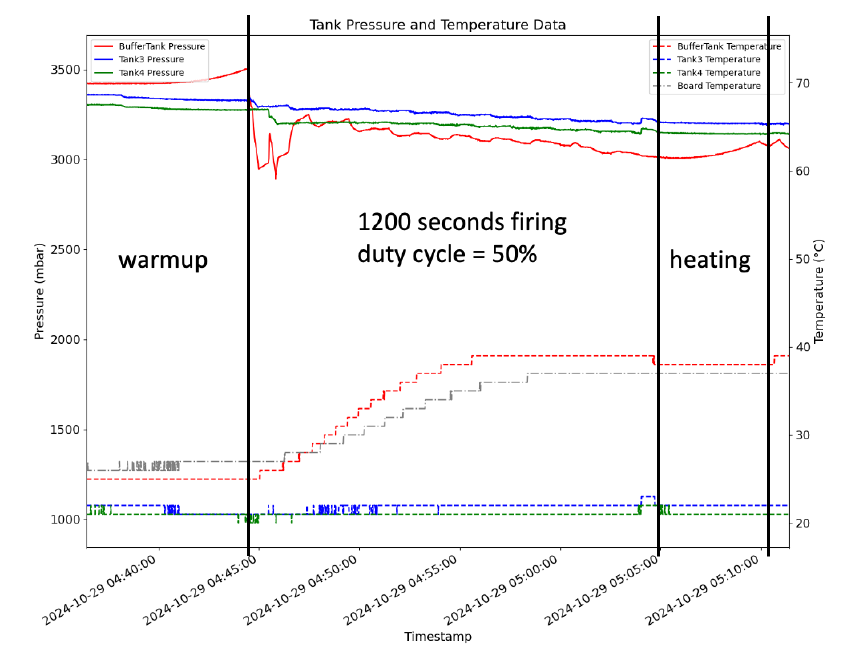
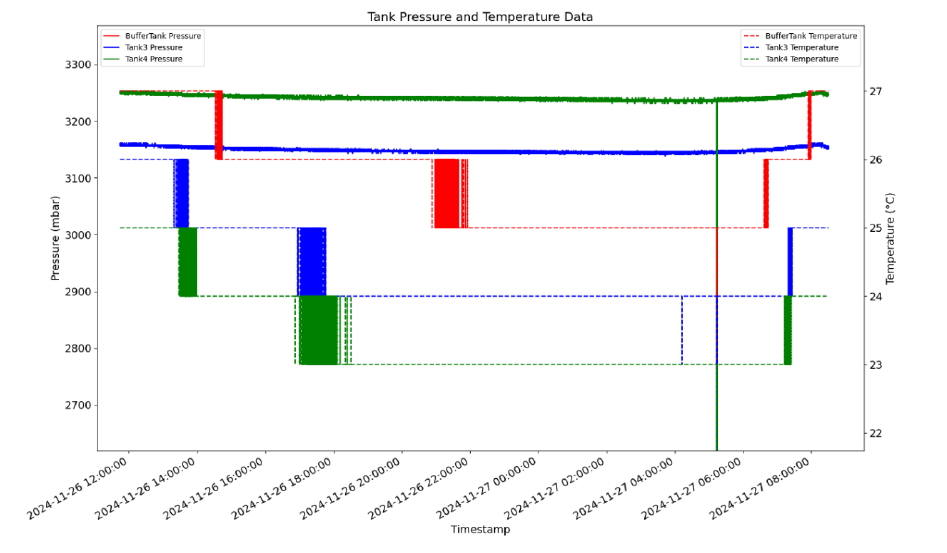
Configuring the thruster to operate safely and efficiently over the prolonged burn presented one of the mission’s key challenges. For this reason, the team had to ensure the engine would not overheat. At the same time, the satellite needed to remain within safe temperature limits. In addition, sufficient heat was required to generate the needed thrust. All systems had to remain stable and operate smoothly for approximately 12 hours.

Mission Objective

The primary mission of the K-RadCube is to monitor cosmic radiation and analyse its effects on astronauts as it passes through the Van Allen radiation belts, located more than 1,000 kilometres above Earth. However, to extend its mission duration and avoid atmospheric re-entry after the first orbit, the satellite must raise its perigee to 200 km.

To achieve this, SteamJet’s spacecraft propulsion system will conduct a prolonged 12-hour burn, one of the longest single burns ever performed by a water-based thruster in space. The manoeuvre is intended to extend the operational mission lifespan.

Key Mission Parameters:

Launch Orbit: Highly elliptical, ~70,000 km apogee

Corrective Action: 12-hour prolonged burn to raise perigee to ~200 km

Propulsion System: SteamJet Thruster One (water-powered)

According to our calculations, the thruster will deliver more than 250 Ns of impulse, corresponding to roughly 170 g of water — about a quarter of the capacity of our tanksAs a result, a significant propellant margin remains for the mission.

SteamJet Water Thruster Powers Critical Artemis II CubeSat Maneuver

Redefining the Frontiers of Green Propulsion

Previously, CubeSats that operate in these harsh environments would have required chemical propulsion — a costly, toxic, and complex solution. In contrast, SteamJet’s spacecraft propulsion technology offers the same performance without the hazards, a scalable option for deep-space and high-energy orbit missions.

Overall, the mission is a demonstration of sustainable propulsion for demanding orbit applications, enabling future CubeSats to conduct complex missions that were not possible without sacrificing safety or sustainability.

About SteamJet Space Systems

SteamJet Space Systems is a UK-based space propulsion company offering high-performance, water-based thrusters for CubeSats and Small Satellites. By utilising green propellants and intelligent engineering, SteamJet enables complex in-space missions without resorting to toxic or high-pressure systems.

Detailed technical specifications, test data, and CAD models for the Steam Thruster One are available on the website. Discover how SteamJet innovations are shaping the future of sustainable satellite propulsion.

Sustainability: Innovation and Space Debris Management

CubeSat propulsion system reducing space debris

Today, the space sector is advancing rapidly. The number of launches and satellites in orbit is increasing. This creates fresh opportunities for commerce, research, and environmental monitoring. However, this growth also brings sustainability challenges — both on Earth and in space. One of the issues is a growing amount of orbital debris being generated. Therefore, it highlights the importance of CubeSat propulsion in reducing space debris and improving orbital sustainability.

The Space Debris Challenge

Space exploration is becoming more attainable for entrepreneurs and innovators. Furthermore, with the expansion of satellite constellations in both quantity and scale, numerous new items are being introduced into low Earth orbit—not only satellites but also space debris. This debris typically includes non-functional satellites and abandoned rocket stages. As a result, orbital overcrowding and long-term viability are growing concerns.

The space debris poses a threat of collision events and may ultimately hinder or render it unfeasible for satellites to function properly in the low Earth orbits utilized for scientific purposes and communications.

Commitment to Sustainable CubeSat Propulsion

At SteamJet, we believe the future depends on making responsible choices and exploring the stars without leaving unnecessary marks. To support this goal, our commitment is to adopt sustainable and eco-friendly propellants to reduce the effect on space environments.

SteamJet propulsion systems function solely in the space environment and pose no threat to the Earth’s atmosphere. They don’t contain hazardous or flammable materials that require special care when being installed on a satellite. Additionally, our engines activate solely in space, and unlike various other satellite types, they can be deployed from a spacecraft or space station. Their launch and functioning pose no risk to the crew.

CubeSat propulsion systems powered with water transform the modern approach to satellite mobility and help mitigate space debris in orbit. Moreover, they offer safe, cost-efficient, and environmentally responsible solutions. In particular, these systems enable precise orbit adjustments, maintain satellite positioning, support constellation coordination, and ensure end-of-life de-orbiting.

More technical information regarding the thrusters is available on our website. This includes specifications, performance data, and recent test results. Steam TunaCan Thruster and Steam Thruster One. Discover how SteamJet innovations are shaping the future of sustainable satellite propulsion.

SteamJet selected by MBRSC for its first PHI-Demo mission

CubeSat Propulsion system powered with water

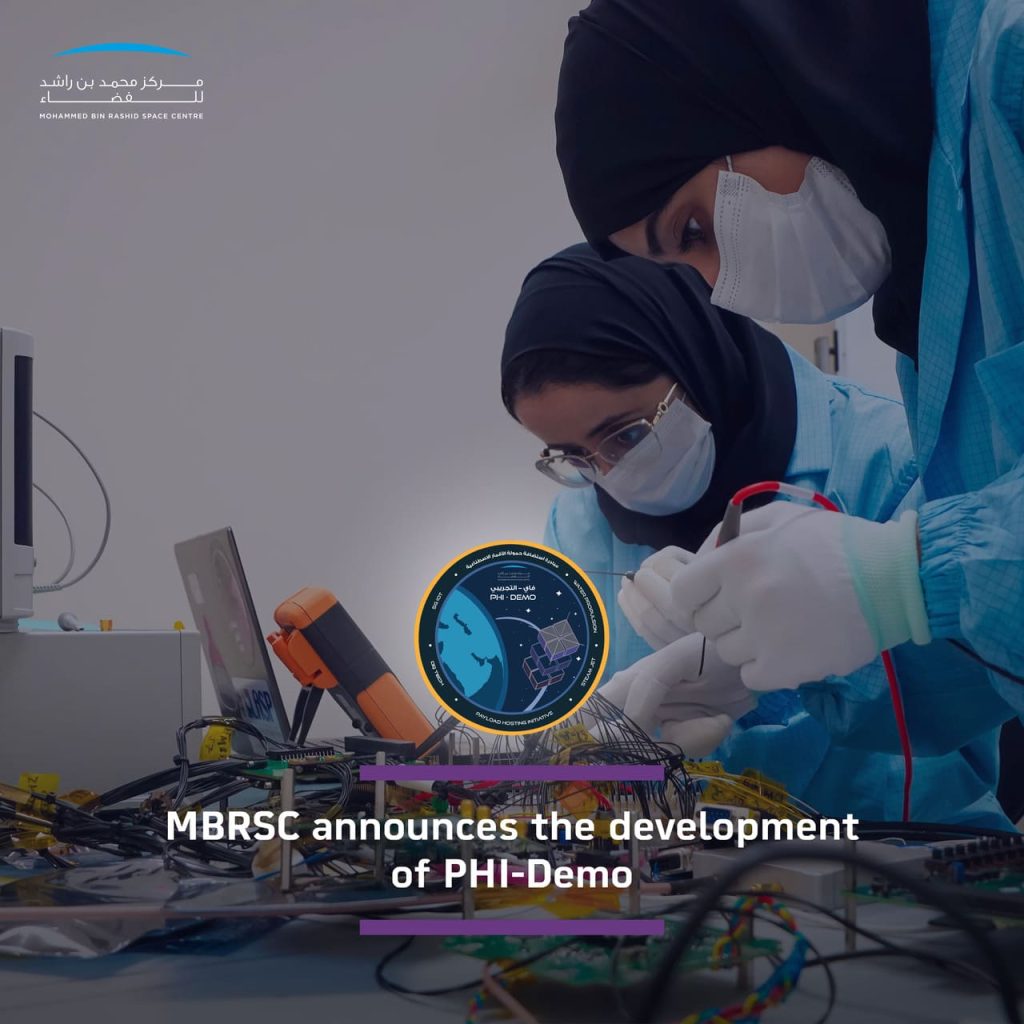
In January, the Mohammed Bin Rashid Space Centre (MBRSC) announced the development of the PHI-Demo mission under the Payload Hosting Initiative. Furthermore, the Initiative aims at providing an effective satellite platform that can host payloads for multiple purposes. The project includes a 12U modular satellite platform that is going to be designed in partnership with OQ Technology and SteamJet Space Systems. Specifically, SteamJet Space Systems is company specialising in sustainable CubeSat propulsion. As a result, the UAE intends to strengthen its position in space innovations.

Sustainable CubeSat propulsion

Photo Source: MBRSC, https://mediaoffice.ae/en

SteamJet’s Role in PHI-Demo

Together with an innovative IoT communication payload, PHI-Demo’s main goal will be to test SteamJet’s environmentally friendly propulsion subsystem. In particular, the Steam Thruster One is going to showcase sustainable CubeSat propulsion in real mission conditions. The Steam Thruster One is a flexible water-powered resistojet. It provides high thrust — tens of times more than electric propulsion — while consuming very little power. Consequently, this makes it a significant innovation in sustainable CubeSat propulsion technology. Moreover, another major benefit of the Steam Thruster One is the possibility to customize its water tanks size and shape to meet the mission requirements. It also improves the subsystem final integration into the spacecra, further enhancing integration into the spacecraft and advancing CubeSat propulsion efficiency.

The mission launch date is scheduled for Q4 2022. According to the Director-General of the MBRSC, His Excellency Salem Humaid AlMarri, said that this collaboration gave more opportunities for countries and entities to deploy and operate their own satellites in space. In addition, it would contribute to the advancement of satellite-related technologies.

According to the Head of Payload Hosting Initiative of the MBRSC, Zakaria Al Shamsi, the space sector’s future relies on possibilities for cooperation. And the Payload Hosting Initiative means a strategic step for the space sector.

Mission Impact and Strategic Importance

Marco Pavan, CEO of SteamJet Space Systems expressed his appreciation to have been selected for the first PHI mission. Moreover, he sees the partnership with MBRSC as an essential step towards a greener and safer approach to propulsion in the small satellite industry.

The PHI-Demo mission demonstrates how sustainable CubeSat propulsion is shaping the future of eco-friendly, efficient, and safe satellite missions.

Last year Mohammed Bin Rashid Space Centre (MBRSC) and the United Nations Office for Outer Space Affairs (UNOOSA) announced the Payload Hosting Initiative (“PHI”) and the signing of the Memorandum of Understanding for satellite payload hosting. The program starts in 2022 and plans to hold two satellite missions annually.

About SteamJet Space Systems

SteamJet Space Systems is a UK-based space propulsion company offering high-performance, water-based thrusters for CubeSats and Small Satellites. By utilising green propellants and intelligent engineering, SteamJet enables complex in-space missions without resorting to toxic or high-pressure systems.

You can access detailed technical specifications, test data, and CAD models for our new space engines on our website. Steam TunaCan Thruster and Steam Thruster One. Discover how SteamJet innovations are shaping the future of sustainable satellite propulsion

SteamJet’ TunaCan Thrusters a part of the “Above the Clouds” mission

CubeSat in-Orbit Propulsion on the “Above the Clouds” Mission

Virgin Orbit announced the changes in the “Above the Clouds” mission where SteamJet Space Systems will participate with its CubeSat water propulsion thruster.

According to Virgin Orbit, the Spire CubeSat will join the smallsats of the Space Test Program and SatRevolution on the next LauncherOne mission. Notably, this will be the rocket’s fourth flight since the first launch in May 2020. Meanwhile, the “Above the Clouds” mission with a Virgin Orbit LauncherOne rocket is scheduled for launch on January 12, 2022 (UTC).

The mission “Above the Clouds” was first announced in November. At that time, the participants were the Defense Department’s Space Test Program (STP) and SatRevolution. SatRevolution is a Polish manufacturer of nanosatellite technologies. The satellite aimed to collect information about “micro” space debris in low Earth orbit. It will be done with the help of a short-range radar provided by Spire. Furthermore, SatRevolution planned to test two projects: STORK-3 as an imaging satellite and SteamSat-2, based on SteamJet’ TunaCan Thruster. SteamJet TunaCan Thruster is a compact resistojet with a unique water-powered propulsion technology, produced by SteamJet Space Systems. It demonstrates CubeSat in-orbit propulsion using a compact, water-powered resistojet designed for small satellite missions. Moreover, the TunaCan Thruster has been specifically designed for CubeSat platforms, keeping in mind all the limitations in terms of volume, power, and safety while enabling reliable in-orbit propulsion for CubeSats.

TunaCan Thruster for External CubeSat Installation

One of the key benefits of the SteamJet TunaCan Thruster is its external installation in the TunaCan volume, which sits outside the CubeSat structure. Therefore, it has the ability to deliver CubeSat in-orbit propulsion while occupying almost no internal satellite volume. In fact, it is the only propulsion unit in the market that needs almost no volume inside the satellite. Moreover, the TunaCan Thruster is environmentally friendly, as water is the main propellant, provides a high thrust, and has a low power consumption. For more details, technical information about the TunaCan Thruster is available on our website.

About SteamJet Space Systems

SteamJet Space Systems, based in the UK, develops high-performance, water-based thrusters for CubeSats and small satellites. By utilising green propellants and intelligent engineering, SteamJet enables complex in-space missions without resorting to toxic or high-pressure systems.

More technical information regarding the thrusters is available on our website. This includes specifications, performance data, and recent test results. Steam TunaCan Thruster and Steam Thruster One. Discover how SteamJet innovations are shaping the future of sustainable satellite propulsion.