
Thruster One: Flight-Proven Propulsion with Customizable Geometry
Customise a propulsion system to fit all unused space inside your small satellite.
SteamJet Thruster One is a high-performance (up to 20 mN at <20W), water-based propulsion system engineered for CubeSats and small satellites. While traditional thrusters force you to sacrifice valuable internal volume for rigid, cylindrical tanks, Thruster One utilises additive manufacturing (3D printing) to create bespoke fuel geometries that wrap around your payload, maximising every cubic millimetre of your mission’s potential.
Maximum Volumetric Efficiency: Utilising "Dead Space"
In the space industry, volume is a premium commodity. Thruster One solves the “cylinder problem” by offering conformal fuel tanks designed to fit the unique internal architecture of your satellite.
- Tailored Geometry: We 3D-print tanks to utilise the irregular “dead space” inside standard 3U, 6U, 12U, and 16U frames and even bigger small satellite frames.
- Increased Delta V Budget: By filling corners and gaps that standard tanks leave empty, you can carry more propellant without increasing your satellite’s external dimensions.
- Optimised Centre of Mass: Customise the tank shape to balance your satellite’s mass distribution, simplifying your AOCS requirements.
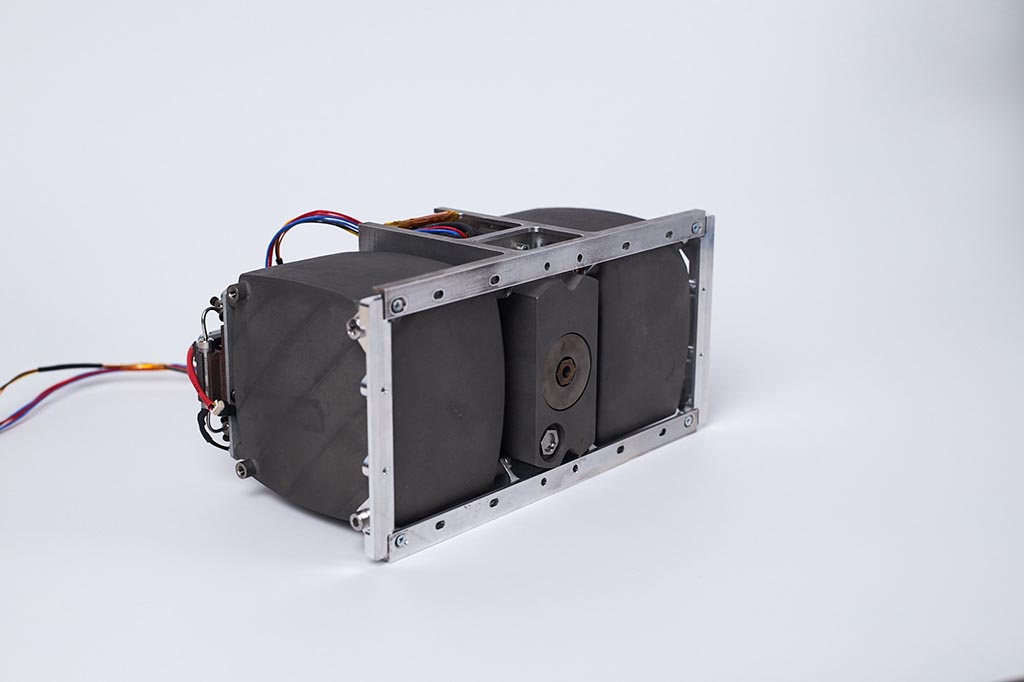
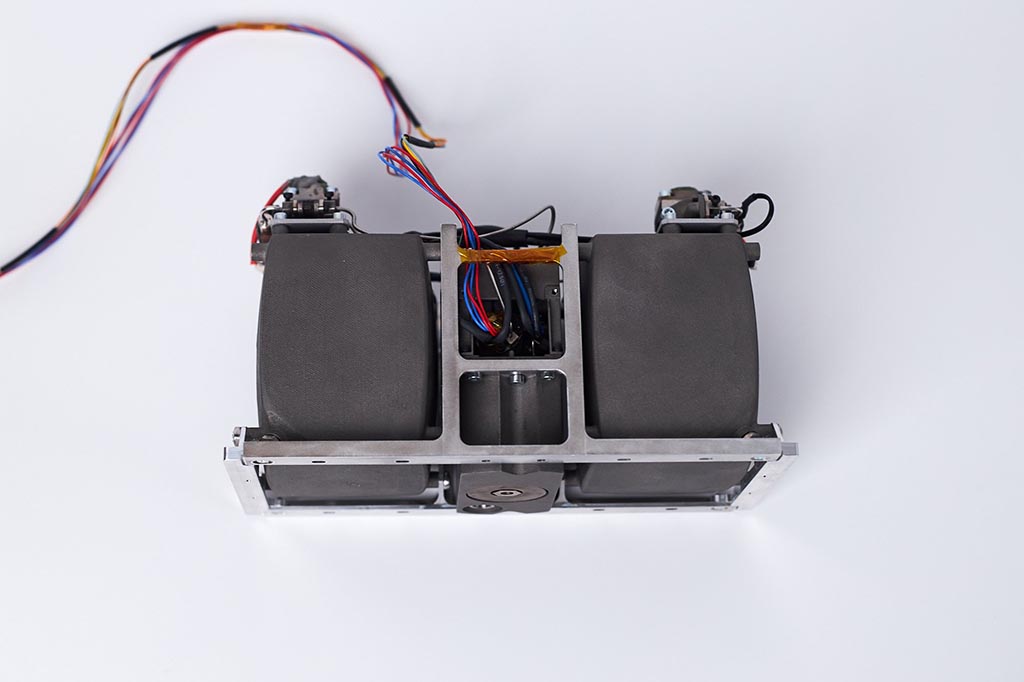
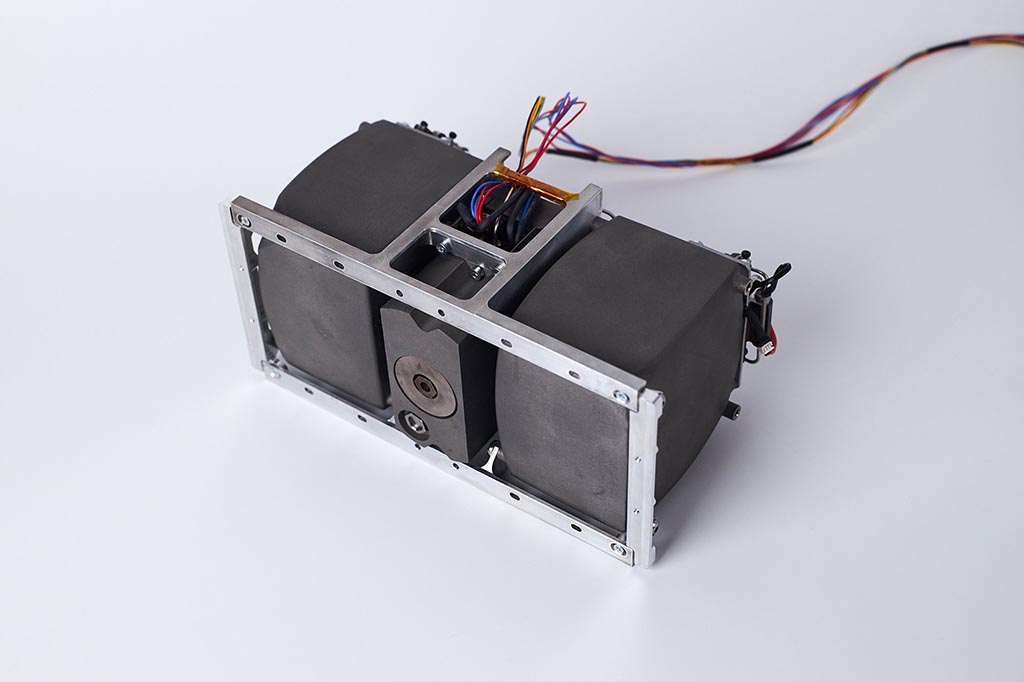
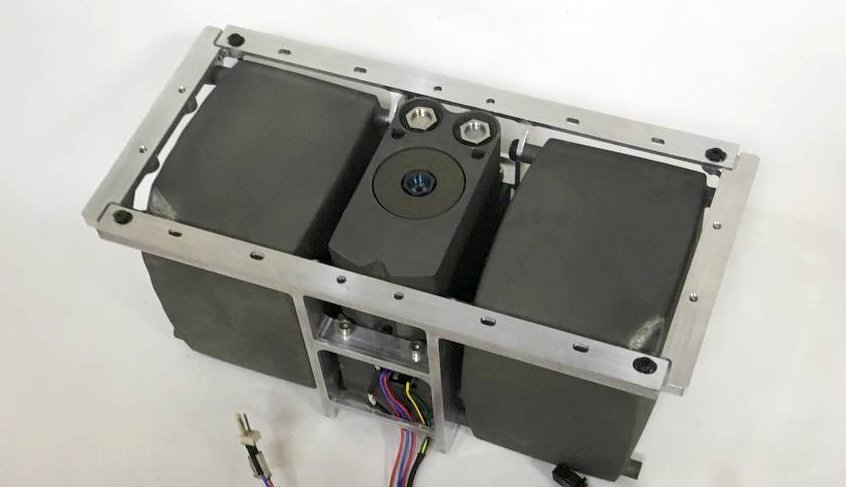
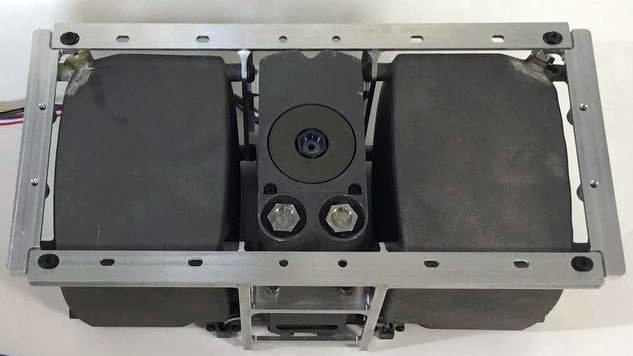
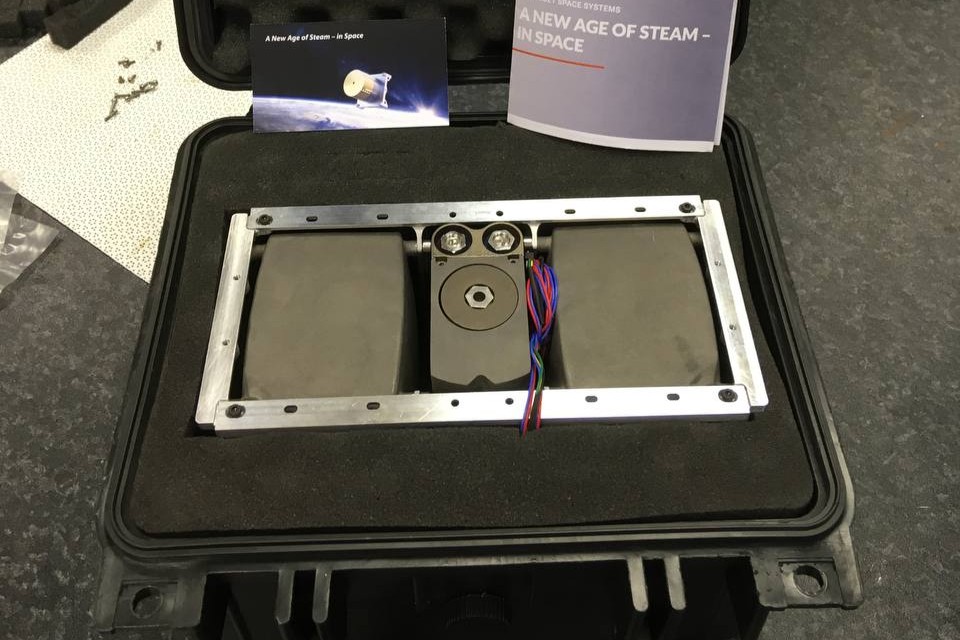
What Thruster One looks like
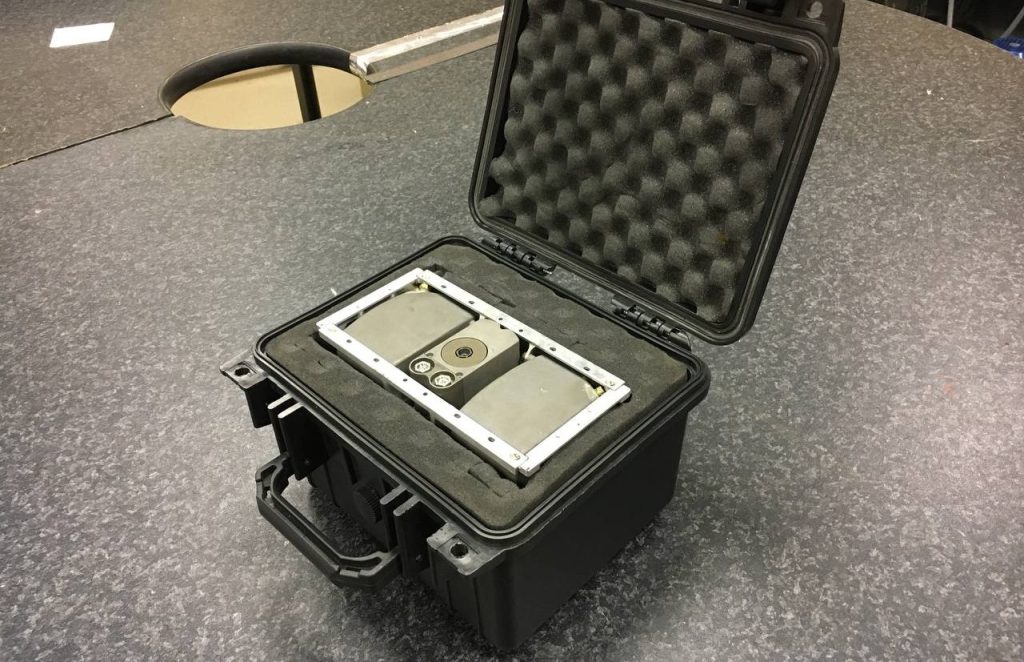
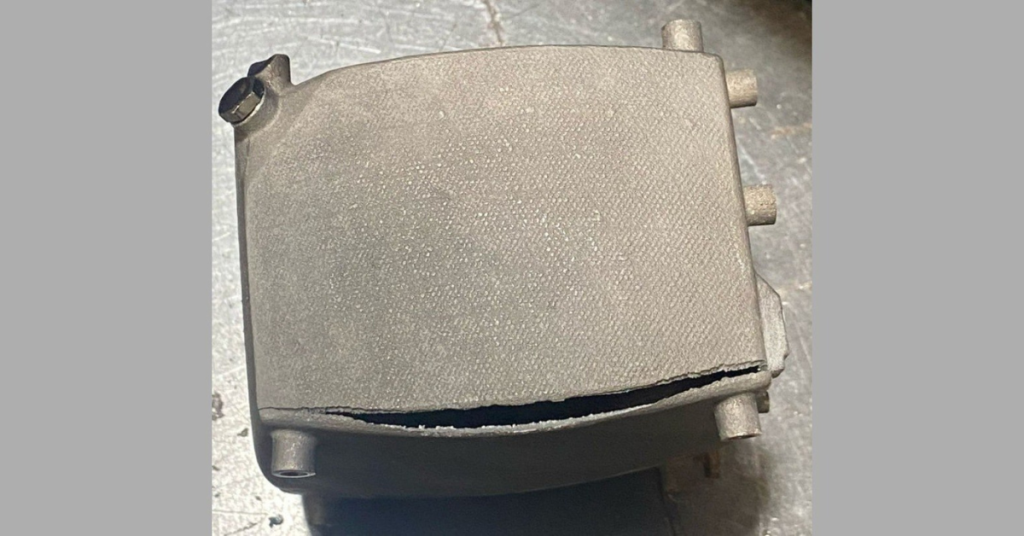
The SteamJet Thruster One features a modular, 3D-printed chassis — typically in a 2U CubeSat form factor — that integrates customizable water tanks with a thruster module. On the aft side, the supersonic nozzle serves as the central focal point for steam ejection, accompanied by a fueling cap. The front side features an electrical connector (RS-422/TTL), providing the “plug-and-play” data and power link to the spacecraft bus, and the mechanical mounting interface for satellite integration.
All-in-One Mechanical Integration
The Thruster One is not a kit of parts; it is a hermetically sealed, self-contained orbital manoeuvre unit. We’ve eliminated the complexity of external piping and driver boards.
- Integrated Power & Control: Onboard electronics handle thermal management, telemetry, and firing logic via a single I2C/UART/RS-422 interface.
- Structural propellant tank: The housing serves as the low-pressure vessel and the primary mounting structure, reducing part count and failure points.
- Pre-filled Readiness: Delivered as a flight-ready component. No complex propellant loading or high-pressure gas handling required at your facility.
Trusted by International Missions

Thruster One In-Orbit Heritage
Since 2022, the SteamJet Thruster One has established an orbital heritage with six systems currently in orbit. Its flight-proven reliability was first demonstrated during the 2023 MBRSC “PHI-Demo” mission, and then during several non-disclosed commercial missions. Building on this momentum, the technology has been chosen for the high-profile NaraSpace K-RadCube mission (Artemis II), where it will perform critical orbit corrections.
SteamJet Thruster One technical specifications
METRIC | VALUE | ENGINEERING IMPACT |
|---|---|---|
SYSTEM WET MASS | ~1.70 kg | Minimal impact on CoG and moment of inertia. |
SPECIFIC IMPULSE | 172 s | Efficient for orbital manoeuvring. |
THRUST LEVEL | 5 – 20 mN | High-fidelity control for constellation phasing. |
PROPELLANT TYPE | Water/ Water-Alcohol | Green-label; simplified Range Safety approval. |
TOTAL IMPULSE | 1200 Ns | Sufficient for a long mission & deorbiting. |
INPUT POWER | < 20 W (Peak) | Compatible with standard CubeSat power rails. |
COMMUNICATION PROTOCOL | RS 422, TTL UART | Defined by mission requirements |


Safety & Launch Compliance
Low-Risk Path to Orbit. The SteamJet Thruster One utilises water — a non-hazardous, low-pressure liquid that simplifies the safety vetting process for secondary payloads. It is designed to meet NASA GSFC-STD-7000A and ESA ECSS-E-ST-10-03C standards, ensuring that your propulsion system is never the bottleneck in your launch schedule. Thruster One structural integrity is approved for Falcon 9, SLS, and Soyuz launches.
Maximising Mission Capability
The SteamJet Thruster One propulsion system is not just an auxiliary module; it is a mission enabler. By customising the fuel tanks to fill all space available inside a 6U-16U CubeSat structure or small satellite, mission designers can implement capabilities that were mandatory for small satellites:
Precision Phasing & Constellation Deployment
Deploy your fleet from a single launch and use the Thruster One thrusters to phase satellites into their respective slots.
Active Collision Avoidance
With its rapid response time, the system provides high-confidence manoeuvring to protect your high-value optical or RF instruments.
Orbit Raising & Maintenance
Extend the life of your LEO mission by counteracting atmospheric drag.
Responsible De-orbiting
Meet international space debris mitigation guidelines (25-year rule).
Frequently Asked Questions
Traditional propulsion systems use standardised, rigid tanks that can’t reach “dead space” inside the satellite frame. Thruster One uses additive manufacturing (3D printing) to create conformal fuel tanks that fit the specific internal geometry of your satellite. This maximises volumetric efficiency, allowing for a larger propellant load and a higher Delta V budget within the same footprint.
Yes. Unlike off-the-shelf cylinders, our bespoke tank designs allow you to distribute propellant mass around your payload. This helps align the satellite’s Centre of Mass with the thrust vector, significantly reducing parasitic torque and the power burden on your Attitude and Orbit Control System (AOCS).
Thruster One provides high-thrust manoeuvres, delivering approximately 50x more thrust than typical electric propulsion (EP) systems of a similar power class. This makes it the superior choice for time-critical mission phases like collision avoidance and rapid constellation phase-in.
Absolutely. Thruster One uses a safe, low-pressure, non-toxic water or water-alcohol mixture. It is fully compliant with NASA GSFC-STD-7000A and ESA ECSS standards, making it an ideal “green” propulsion solution for rideshare missions where safety requirements are stringent.
Yes. Thruster One is designed and manufactured to be 100% ITAR-free. This simplifies the procurement process and international shipping for satellite manufacturers and space agencies globally.
What's new on Thruster One
What's next?
- Download Thruster One Datasheet and CAD model.
- Ask for Price or any other question.
- Need a smaller external solution for CubeSat? Check out our SteamJet TunaCan Thruster.
- If you’re representing an academic or non-profit project, we have a special offer for you! Follow this link to learn more.
- Learn more about SteamJet.